
Condition information belongs in the removal enquiry
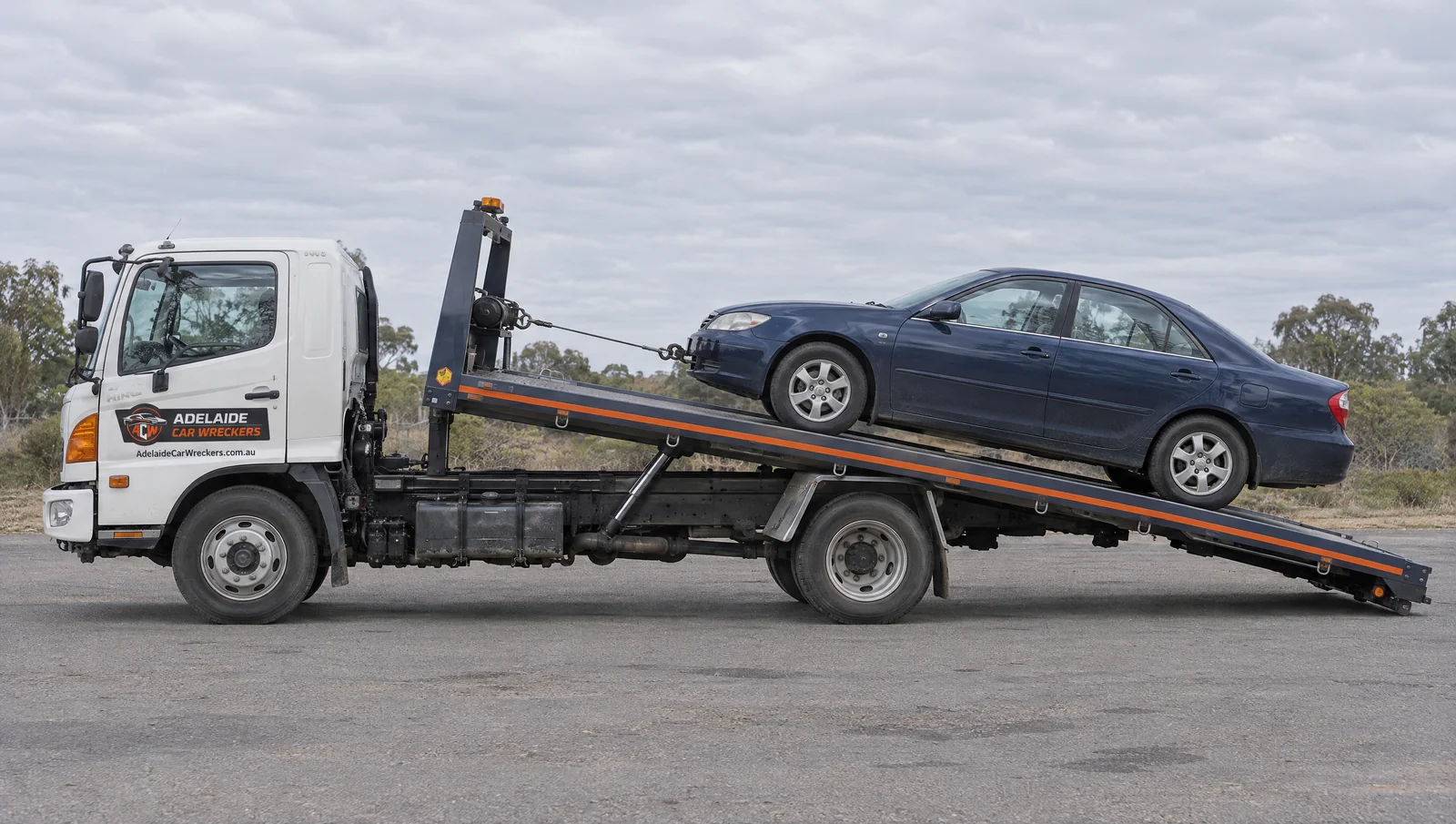
Identification and condition
A non-running vehicle can still have very different movement restrictions. Explain separately whether it is known to roll, steer and sit on all its wheels. Include damage, missing components and the parking position.
Completeness and known restrictions
If the car is partly dismantled, say whether the engine, transmission or panels are fitted or stored separately. Do not attempt to move a damaged vehicle to establish facts for your notes; report what is already known.
Discuss the actual terms
An operating provider needs both condition and access information before collection can be discussed. Confirm the agreed terms rather than inferring a time or charge from this page.
Two details for the condition account
- Are all wheels and major components fitted?
- Which movement restrictions are known or uncertain?
Three stages of a condition-led enquiry
1. Record the known condition
Open your removal enquiry with the vehicle identity and whether it starts, rolls and steers. Describe observations in plain language. Distinguish a confirmed fact from a symptom or an unknown detail.
2. Work through the restrictions
An operating provider would need the condition account and the location together. Discuss missing components, access limits and the terms of any proposed offer without guessing how the vehicle will be moved.
3. Confirm the collection plan
Ask which preparation and documents are needed and who should be available at the property. Advise an operating provider of any change in completeness, condition or access before the arrangement proceeds.
Questions about the vehicle account
What if access to the vehicle is difficult?
Describe gates, clearance, parked vehicles and who can provide access. Leave uncertain details open for discussion instead of moving the vehicle to test a collection route. Keep unknown details clearly separate from confirmed observations.
Which collection details need agreement?
Ask about the proposed timing, any charges, required documents and how the vehicle should be prepared. Confirm the arrangement for your actual location. Keep unknown details clearly separate from confirmed observations.
Related guidance
Start with what you know.
Send the known details about car removals needs. Mark an uncertain fact rather than filling it with an assumption.